
A Complete Guide to Choosing the Right Dog Food for Your Pet’s Health
Blog Details
Oct 15, 2025
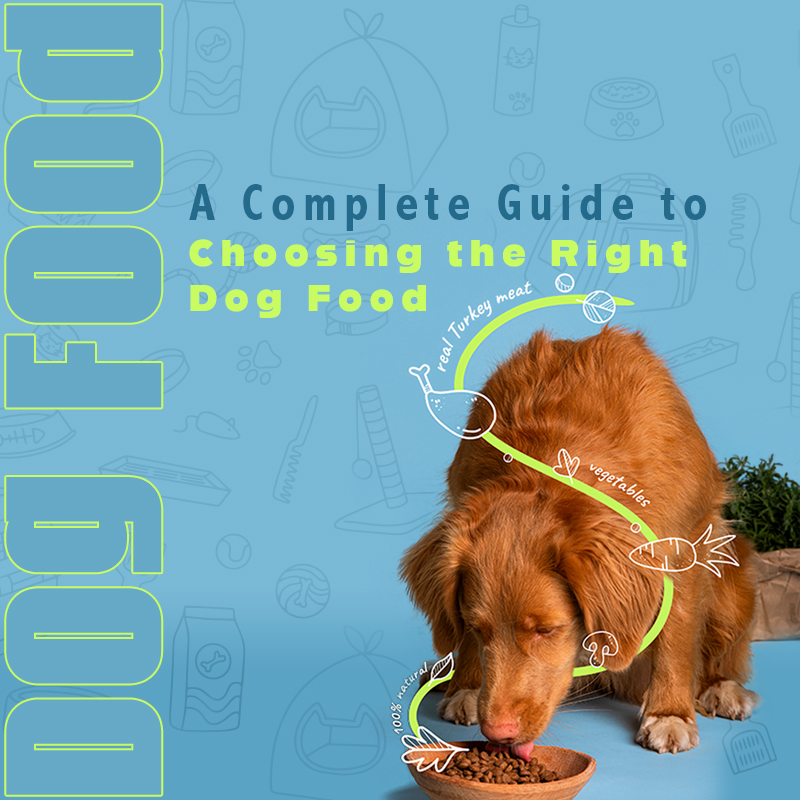
A Complete Guide to Choosing the Right Dog Food for Your Pet’s Health
Every pet parent wants the best for their furry friend — long walks, belly rubs, and most importantly, wholesome food that supports a healthy, happy life. But with so many brands, flavors, and labels on the market, picking the right dog food can feel overwhelming. Should you choose dry or wet food? Are grain-free diets better? What ingredients actually matter?
Your dog’s nutrition directly impacts their energy levels, coat shine, digestion, and even lifespan. Understanding the basics of canine nutrition and making informed choices ensures that your pet thrives, no matter their age or breed. This guide breaks down everything you need to know about selecting the best dog food — from understanding ingredients to knowing why buying dog food online can be a smart, convenient choice for modern pet parents.
Why Choosing the Right Dog Food Matters
Feeding your dog isn’t just about filling their bowl — it’s about nourishing their body and mind. The right diet supports muscle development, strengthens the immune system, keeps their coat shiny, and maintains healthy bones and joints. A balanced diet also helps prevent obesity, allergies, and digestive issues.
Dogs, like humans, have specific nutritional requirements based on their size, age, breed, and activity level. A playful puppy, a high-energy adult, and a senior dog all have very different needs. Providing appropriate nutrition at each stage of life ensures they remain energetic, alert, and emotionally balanced.
Unfortunately, not all pet food is made equal. Some commercial brands rely on fillers, artificial preservatives, and low-quality meat by-products. Learning how to read and understand a label can make all the difference in your dog’s overall well-being.
Understanding the Basics of Dog Nutrition
A dog’s diet should include six essential nutrients — protein, fat, carbohydrates, vitamins, minerals, and water. Each plays a vital role in maintaining your pet’s health.
Protein supports growth, muscle repair, and immune function. Look for foods that list real meat (like chicken, lamb, or fish) as the first ingredient rather than vague “meat meals.” Fats provide energy and support brain development, while carbohydrates offer fiber for digestion. Vitamins and minerals help regulate metabolism and strengthen bones and teeth.
Water, often overlooked, is critical to every bodily function. Ensure your pet always has access to fresh, clean water — especially if they eat mostly dry food.
A balanced diet means giving your dog all these nutrients in the right proportions for their life stage, breed size, and activity level.
Dry vs. Wet Dog Food: Which Is Better?
When choosing between dry kibble and wet canned food, there’s no one-size-fits-all answer — both have advantages and can be part of a healthy diet.
Dry food is convenient, affordable, and helps maintain dental health by reducing plaque buildup. It’s easy to store and measure, making it a go-to for many pet owners. High-quality kibbles often contain complete nutrition in compact servings.
Wet food, on the other hand, offers higher moisture content, making it ideal for dogs who don’t drink much water. It’s easier to chew, more flavorful, and often preferred by picky eaters or senior dogs with sensitive teeth. However, it can be more expensive and needs proper storage once opened.
Many pet parents use a combination of both — dry food for daily meals and wet food as a treat or supplement. The goal is to maintain nutritional balance while catering to your dog’s preferences and needs.
Understanding Ingredient Labels
Dog food labels can be confusing, but learning to interpret them helps you make better decisions. Always check the ingredient list — the first few items listed make up most of the food’s nutritional content.
High-quality dog food should feature real animal protein as the main ingredient, such as chicken, beef, fish, or lamb. Avoid foods that list vague terms like “meat by-products” or “animal fat” without specifying the source.
Watch out for artificial additives, flavors, or colors, which can cause allergies or long-term health problems. Natural preservatives like mixed tocopherols (vitamin E) are much safer alternatives to chemical ones like BHA or BHT.
Whole grains, fruits, and vegetables are great sources of fiber, vitamins, and antioxidants. While grain-free diets are popular, they’re not necessary for every dog unless your vet recommends them due to allergies or sensitivities.
Tailoring Dog Food by Life Stage
Your dog’s nutritional requirements change as they grow. Puppies need higher protein and fat to support rapid development, while adult dogs need balanced portions to maintain muscle and energy. Senior dogs, with slower metabolisms, benefit from low-fat, joint-supporting formulas rich in omega-3s and glucosamine.
Puppies thrive on nutrient-dense formulas that help bone and brain development. Adults require steady energy from balanced meals, while older dogs need easily digestible food that supports mobility and heart health. Choosing the right formula for each stage ensures optimal health and vitality throughout your pet’s life.
Dog Treats and Pet Biscuits: Healthy or Harmful?
Treats are more than just rewards — they’re a form of communication, love, and training reinforcement. However, not all dog treats and pet biscuits are healthy. Many commercial treats are loaded with sugar, salt, or artificial flavoring.
Look for treats made with natural ingredients like peanut butter, oats, or chicken. Healthy options can even provide added nutritional benefits — supporting dental health, joint strength, or digestion. Moderation is key; treats should never exceed 10% of your dog’s daily caloric intake.
Using treats mindfully not only rewards good behavior but also contributes to bonding and training success.
Special Dietary Considerations
Some dogs have allergies, sensitivities, or health conditions that require special diets. Common allergens include beef, dairy, wheat, and soy. If your pet experiences itching, digestive upset, or ear infections, consult your vet for a potential elimination diet.
There are specialized foods available for issues like obesity, diabetes, kidney disease, or skin problems. Always follow your vet’s advice and choose reputable brands that use scientifically backed formulations.
The Benefits of Buying Dog Food Online
Modern pet parents are turning to the convenience of dog food online shopping — and for good reason. Online platforms offer variety, transparency, and easy comparison between brands. You can explore ingredients, read verified reviews, and even find vet-recommended options.
Many online stores also stock exclusive or premium brands not available in local shops. Plus, subscription options make it easy to get your dog’s favorite food delivered regularly, ensuring you never run out. Shopping online often provides better discounts and access to natural, specialty, or breed-specific formulas.
By exploring trusted sources for dog food online, you can make informed decisions from the comfort of your home — saving both time and effort while prioritizing quality.
Common Myths About Dog Food
There’s plenty of misinformation surrounding pet nutrition. Some believe homemade food is always better, while others assume all commercial food is unhealthy. The truth lies in balance — homemade diets can work if they’re carefully formulated under veterinary guidance, but commercial dog food provides consistency and complete nutrition.
Another common myth is that dogs should eat the same food for life. In reality, dietary needs evolve with age, health, and activity level. Regularly reviewing and adjusting your pet’s diet helps prevent deficiencies and ensures they get the nutrients they need.
Conclusion
Feeding your dog right is one of the purest forms of love you can show. A well-balanced diet made from wholesome ingredients supports energy, immunity, and longevity. Whether you choose dry food, wet meals, or a mix of both, focus on quality and balance. Don’t forget to include healthy dog treats and pet biscuits as occasional rewards to keep your pup motivated and joyful.
For pet parents looking to explore safe, nutritious, and trusted dog food online, visit Pink Paws — where every bite is crafted with care, ensuring your furry friend gets the best nutrition they truly deserve.