
PinkPaws Store
Blog Details
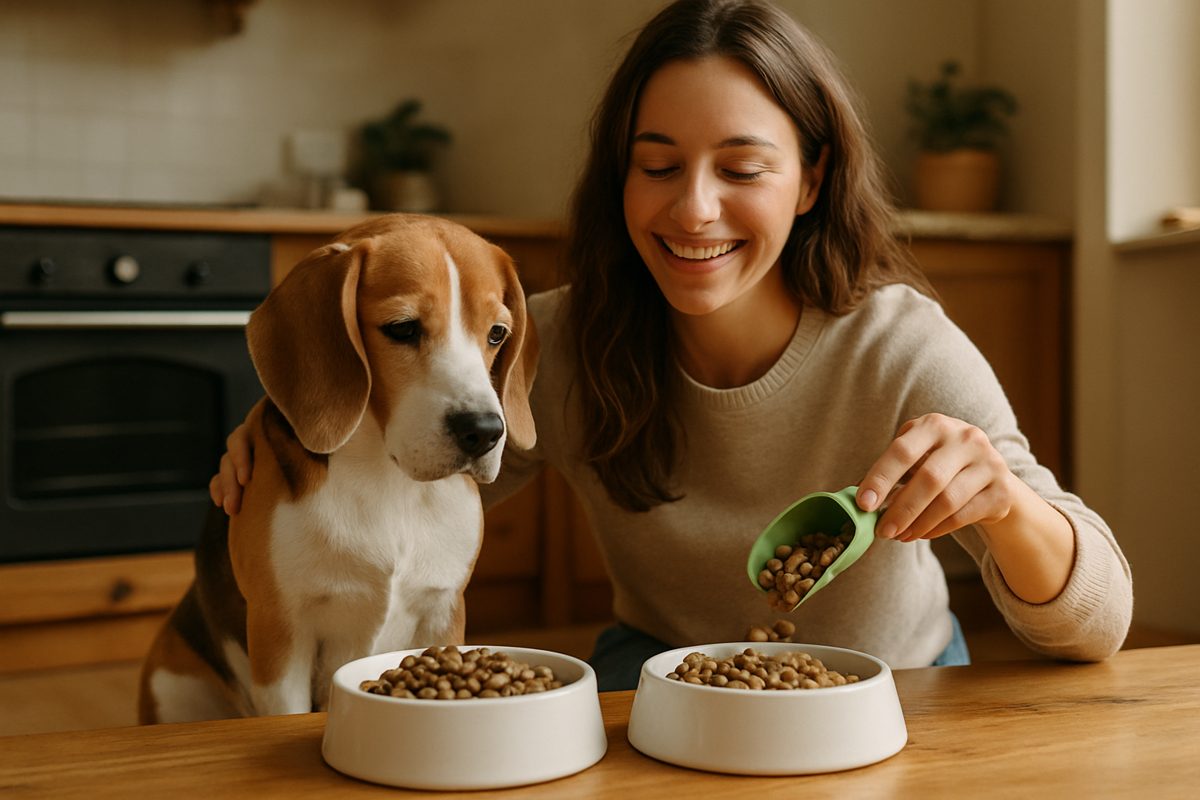
Sep 09, 2026
Switching Your Pet's Food? The Transition Method That Actually Prevents Tummy Trouble
A practical, vet-guideline-backed walkthrough of how to switch your dog or cat's food without triggering diarrhea, vomiting, or food refusal — plus an FAQ for the questions Kolkata pet parents ask most.
Switching Your Pet's Food? Here's Why the "Just Change the Bag" Method Backfires
If you've ever switched your dog or cat to a new food and ended up dealing with loose stools, vomiting, or a pet who suddenly won't eat at all — you're not alone, and you didn't do anything unusually wrong. You just did what most pet parents do: opened the new bag and poured it straight into the bowl. The problem is that a dog or cat's gut doesn't work like a light switch.
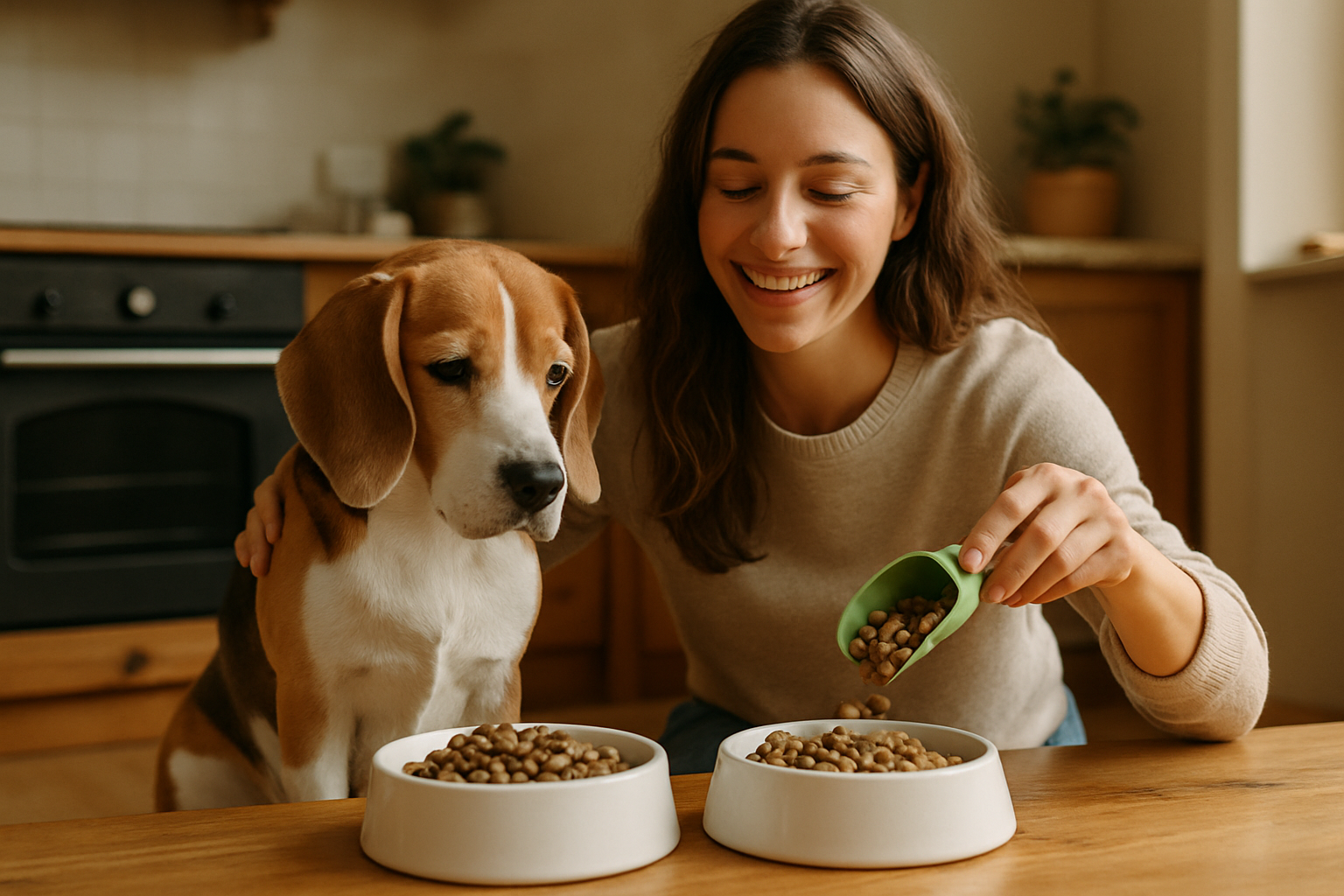
This is one of the most searched, most misunderstood parts of pet care, and it matters more in a city like Kolkata than people realise — between festive gifting of premium food, stock shortages on quick-commerce apps forcing a same-day brand swap, vets recommending a diet change after a health scare, and puppies and kittens growing out of their starter formula every few months. Almost every pet parent will need to change food at least once. Very few do it in a way that actually protects their pet's stomach.
Why an Abrupt Switch Actually Causes Trouble
Just as our stomachs can get upset with a change in diet, the same is true for our dogs, and the best way to keep your dog's stomach from getting upset is to switch dog food slowly. Switching your dog's food suddenly can cause gastrointestinal symptoms such as diarrhea, vomiting and decreased appetite, while transitioning food slowly gives your dog's GI system time to adjust.
It isn't just about taste or texture. Changing food abruptly can cause an imbalance in the digestive flora (bacteria) that help break down food. That bacterial population in the gut is tuned to whatever your pet has been eating for weeks or months — switch overnight, and it simply can't keep up.
The Transition Timeline That Actually Works
Every major veterinary nutrition source agrees on the same basic shape, even if the exact day count varies slightly. Switching your dog's food abruptly can cause gastrointestinal upset, such as vomiting, diarrhea, and a decreased appetite, so whenever you change your dog's food, you should transition to the new diet gradually to give your dog's system time to adjust, ideally over 5-7 days.
A commonly recommended breakdown looks like this:
- Days 1–2: Mix 25% of the new food with 75% of the old.
- Days 3–4: Mix 50% of the new food with 50% of the old.
- Days 5–6: Mix 75% of the new food with 25% of the old.
- Day 7 onward: Feed your dog 100% new food.
Dry food should generally be given even more time. Switching dry dog food follows the same slow transition, extended over 14 days instead of seven, and you should check your dog's stools before moving on to the next percentage of new food. And if your dog already has a sensitive stomach, don't rush the schedule — dogs who have sensitive stomachs, food allergies or other gastrointestinal diseases may need more time to switch foods, since every dog is different, and if your buddy shows changes in appetite, vomits or has diarrhea, transition even slower.
Cats Need Even More Patience
This is where most pet parents go wrong with cats, who are far more prone to outright refusing a new food than dogs. A sudden switch may cause digestive upset and food aversion — especially in cats. The standard 7-day dog timeline simply doesn't apply to felines: cats may need up to 40 days to transition, so be patient, since cats must eat adequate calories daily, and you should continue the transition until the cat is eating the new food. Never withhold food from a cat to force acceptance of a new diet — an extended refusal to eat can create its own health emergency, which is exactly why the slow, patient approach matters more for cats than for dogs.
When It's Actually Okay to Switch Fast
The gradual method is the default, but it isn't the only rule. Sometimes a slow transition simply isn't possible. There are two main methods to switch your dog's food — a gradual or a quick transition — where a gradual change is more ideal to help avoid an upset stomach, but a quick diet change may be necessary in urgent situations and should be handled carefully. This typically applies when your dog's current food has been recalled, discontinued, or is simply not available, or your dog won't eat their current food. If you do need to switch quickly, watch your pet closely for the first 48–72 hours and be ready to slow down or call your vet if symptoms appear. Consult your vet if your dog experiences vomiting, diarrhea, or refuses to eat after longer than a day.
Small Habits That Make the Transition Smoother
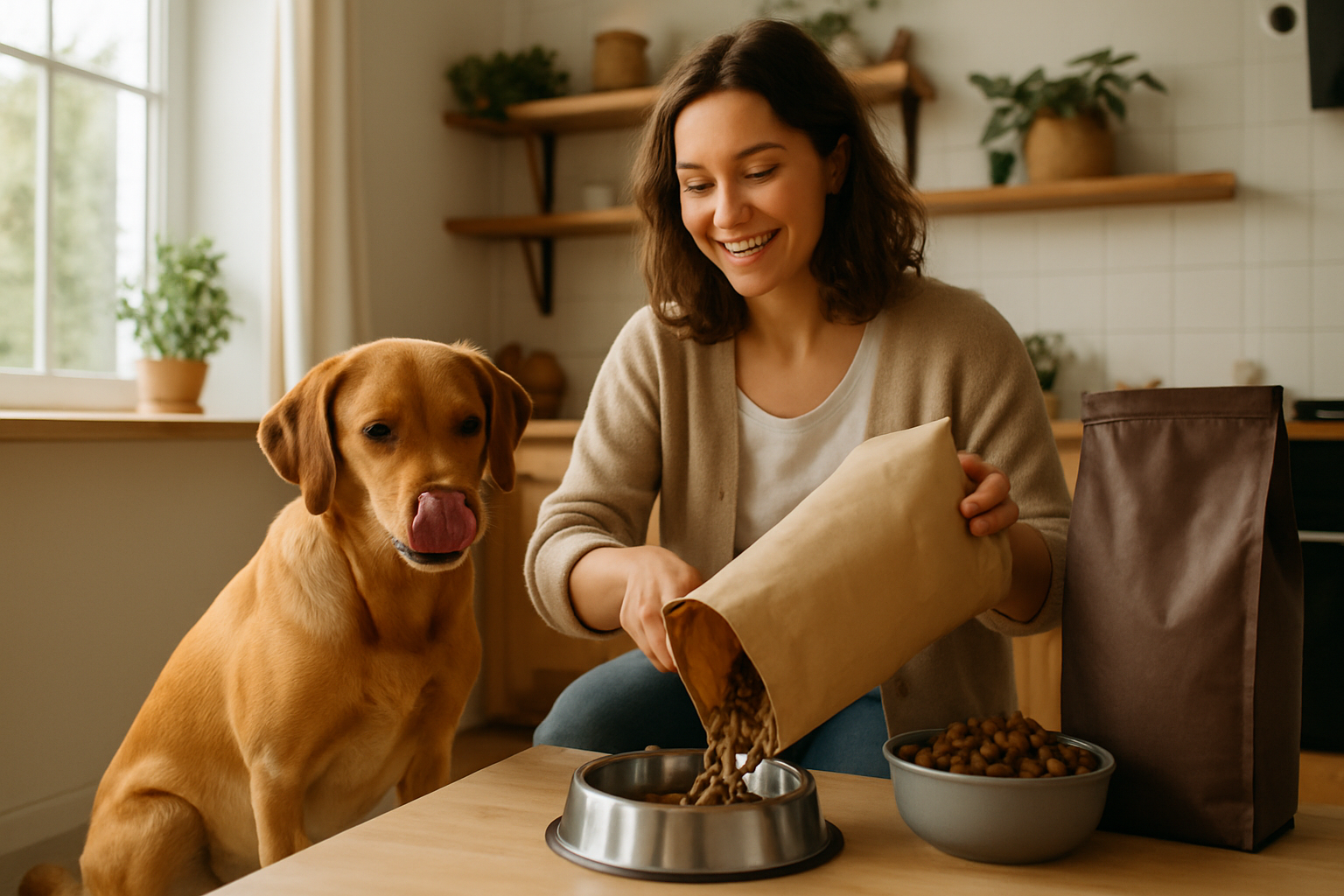
- Mix thoroughly, not just on top. Mix the new dog food thoroughly with the current food so your dog can't pick and choose which food to eat.
- Warm wet or canned food slightly if your pet is hesitant — warming it gently can make it more appealing and release some of the tempting food smells to stimulate your dog's appetite.
- Serve fresh, don't leave it out. If the dog refuses the food, reduce the portion size but offer fresh each meal, and pick the food bowl up between meals.
- Track the litter tray and the lawn. Stool consistency is the clearest early warning sign a transition is moving too fast — don't wait for vomiting to notice something's wrong.
Why This Comes Up So Often for Kolkata Pet Parents Specifically
Three situations trigger far more food switches here than people expect. First, festive-season gifting and bulk offers mean a pet often gets introduced to a "premium" brand for the first time with no runway. Second, growing puppies and kittens age out of starter formulas roughly every few months, and each life-stage jump is technically a full diet change, not just a portion increase. Third, when a vet recommends a therapeutic or breed-specific diet after an illness, parents are often anxious to see improvement fast and switch over in a day or two — which is precisely when a slow transition matters most, because a stressed, recovering gut is the least equipped to handle an abrupt change.
Frequently Asked Questions
How many days does it take to safely switch a dog's food?
Most vets and pet nutrition brands recommend 5–7 days for wet food and up to 14 days for dry kibble, gradually increasing the new food's share of each meal while decreasing the old food in the same proportion.
Can I switch my cat's food as quickly as a dog's?
No. Cats are far more prone to outright food refusal, and cats may need up to 40 days to transition, so be patient. Never stop feeding a cat entirely to force acceptance of a new food.
My pet still has diarrhea even after a slow transition. What now?
Slow the ratio down further and hold at the current mix for a few extra days. If symptoms persist beyond 48 hours or worsen, stop the transition and speak to your vet — it may indicate an allergy or intolerance to a specific ingredient rather than just the pace of the switch.
Is it fine to switch treats or toppers quickly, even if the main food needs to go slow?
Treats in small quantities are generally lower risk than a full meal switch, but introduce any new treat one at a time and in small amounts, especially for pets with known sensitive stomachs.
Do probiotics actually help during a food transition?
Many vets suggest a sprinkle of a pet-safe probiotic during the transition window to support the gut bacteria that are adjusting to the new food, alongside — not instead of — the gradual mixing schedule.
Whether you're switching because of a vet's advice, a puppy's next life stage, or simply wanting to try a new brand, the food itself matters far less than the pace at which you introduce it. Take the extra week. Your pet's stomach — and your floor — will thank you.