
PinkPaws Store
Blog Details
Sep 03, 2026
The Bad Breath Myth: What Your Dog or Cat's Mouth Is Actually Telling You
Pink Paws is Kolkata's online pet store for food, treats, toys, and grooming essentials for dogs and cats — and one thing we hear constantly from customers is some version of, "My dog's breath has always smelled like this, it's normal, right?" It almost never is. Bad breath is one of the most dismissed, most visible, and most fixable warning signs in pet health, and the numbers on how many Indian pets are affected are genuinely alarming.
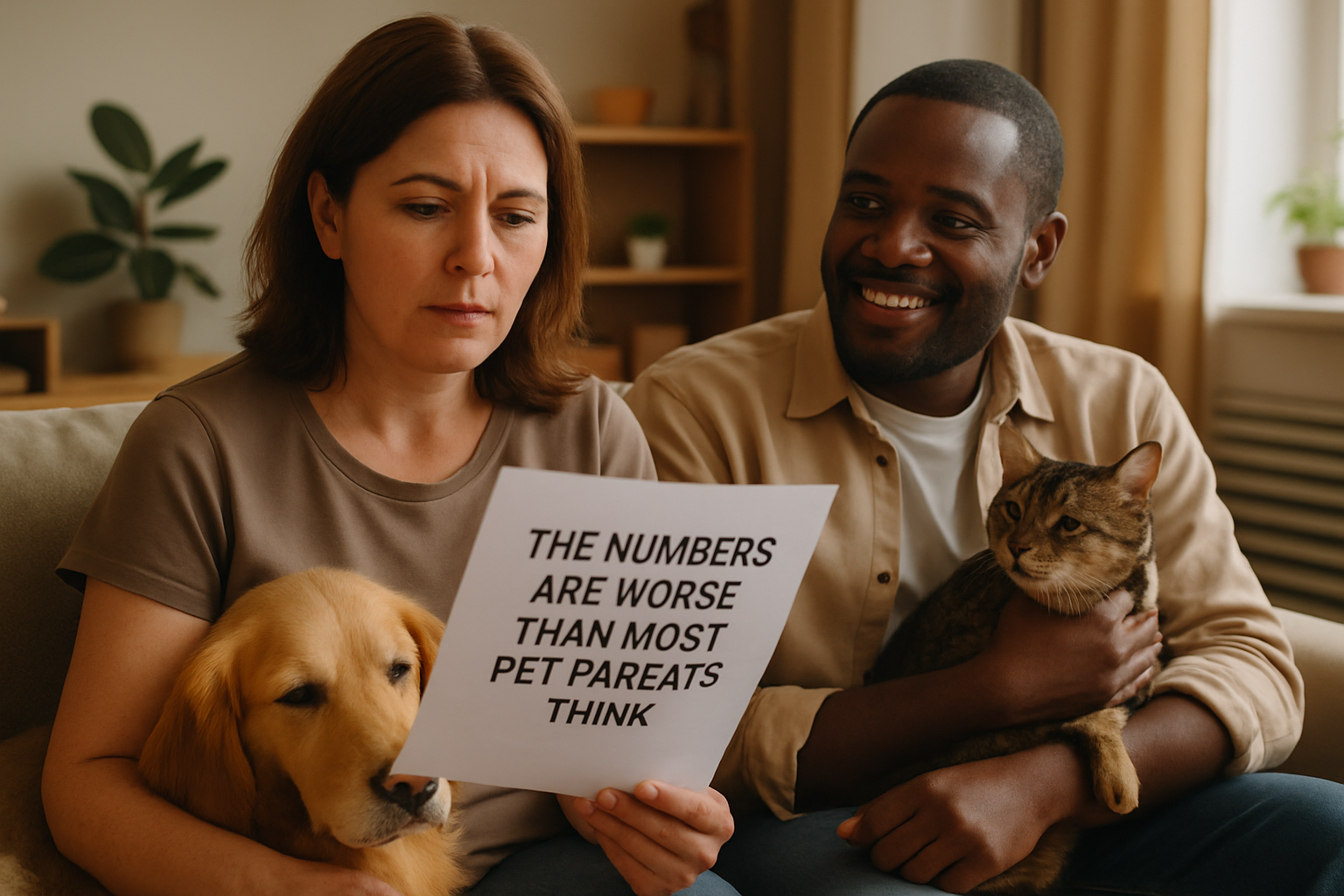
The Numbers Are Worse Than Most Pet Parents Think
This isn't a minor cosmetic issue affecting a handful of unlucky pets. Research indicates 82% of Indian dogs suffer dental disease by age 3. Globally, the picture is similarly grim: studies consistently show that over 80% of dogs and 70% of cats over the age of three have some degree of periodontal disease — yet most of these animals are never brought to the vet specifically for their teeth. For cats specifically, other veterinary sources put the figure at approximately two-thirds (68%) of cats over three years of age having some degree of dental disease.

What makes this worse in India, and in a city like Kolkata specifically, is a combination of diet and climate. Homemade diets heavy in soft, sticky, carbohydrate-rich food, year-round humidity that accelerates bacterial growth, and the widespread belief that dental care is optional combine to create a population of pets with severe, painful, and entirely preventable oral disease. If your household feeds rice, roti, or soft home-cooked meals alongside commercial food — extremely common in Bengali homes — your pet's teeth are working against a diet that does almost nothing to mechanically clean them. And access to specialist help is thin: with only 1 veterinary dentist per 50,000 dogs in major Indian cities, prevention becomes crucial for most pet parents.
Why "It's Just Bad Breath" Is the Wrong Way to Think About It
Bad breath is a symptom, not the disease itself. Plaque that stays on the teeth hardens into tartar, and when tartar is above the gumline, it's easily visible and your veterinarian can remove it relatively easily during a professional dental cleaning. The real danger is what you can't see: tartar that makes its way below the gumline causes inflammation and not only damages the structures supporting the teeth but also causes infection, and when dental disease reaches this stage, dogs can experience serious dental problems and pain.
It doesn't stop at the mouth. Over 80% of dogs show signs of dental disease by age 3 — bacteria from periodontal disease can spread to the heart, kidneys, and liver over time. For cats, the risk is the same: untreated dental infections can spread bacteria through the bloodstream and affect organs such as the heart and kidneys.
The tricky part is that both species are experts at hiding it. Pets instinctively mask pain, including dental pain, and by the time a dog or cat refuses food or cries when eating, the disease is typically severe. In cats, the signs are especially subtle — changes in eating habits like dropping food or chewing on one side, decreased grooming, bad breath, drooling, or behavioral changes like increased irritability or withdrawal. If you've noticed your cat approaching the bowl eagerly and then walking away, that's not fussiness — some cats with painful dental conditions approach their food bowl eagerly, but then walk away.
Breed and Age Make Some Pets More Vulnerable
Not every pet is equally at risk. Breed plays a role in dental health — small dogs, especially those with short faces like Pekingeses and pugs, are particularly prone to dental problems, as are Persian cats. If you've adopted a pug, Shih Tzu, or a flat-faced cat breed, dental checks need to happen more often, not less. Age matters too — feline tooth resorption, a separate and often more painful condition than plaque buildup, affects up to 60% of adult cats and over 70% of senior cats.
What Actually Works at Home (and What Doesn't)
There's a lot of noise around dental products, so it helps to know what's evidence-backed versus what's marketing. Regularly brushing your pet's teeth is the single most effective thing you can do to keep their teeth healthy between dental cleanings, and may reduce the frequency or even eliminate the need for periodic dental cleaning by your veterinarian. Consistency matters more than perfection — daily brushing is best, but it's not always possible and brushing several times a week can be effective.
Realistically, most pet parents won't brush daily, and that's where the rest of the toolkit comes in. Daily tooth brushing with dog-specific toothpaste is the gold standard; dental chews, water additives, and dental diets offer supplementary benefit but don't replace brushing. If your dog or cat won't tolerate a brush, don't give up on dental care entirely — dental treats and water additives can help reduce plaque without brushing, especially for cats that dislike it. Cats, in particular, tend to resist the process more than dogs, so patience and a slow introduction matter: most dogs accept brushing, but cats can be a bit more resistant — patience and training are important.
Be skeptical of shortcuts. A common myth worth retiring: the idea that dry food cleans teeth naturally is only partly true — while kibble is marginally better than soft food, it provides minimal cleaning action and can still leave residue. Also worth retiring: the belief that bad breath is normal in dogs — persistent bad breath actually indicates bacterial overgrowth and potential health issues. If you're building a home routine, look for dog-safe toothpaste, dental chews sized to your pet's breed, and — for fussier pets — a water additive that mixes into the bowl. Pink Paws stocks treats and grooming essentials that fit into exactly this kind of daily routine.
When Home Care Isn't Enough
At some point, a professional cleaning becomes necessary, and that's not a failure on your part — it's routine maintenance, similar to a dental scaling for a person. For most dogs and cats with good home care, professional cleaning is needed every 1–3 years; for small and brachycephalic breeds, senior pets, and those with a history of rapid tartar buildup, it's recommended annually. In terms of cost, professional dental cleaning for dogs in India ranges from ₹2,000 to ₹10,000, depending on disease severity and diagnostics. Compare that to the cost of managing a heart, kidney, or liver complication down the line, and prevention looks like the better investment by a wide margin.
Frequently Asked Questions
Is bad breath in dogs and cats ever actually normal?
Mild breath odor after eating is normal. Persistent, strong, or worsening bad breath is not — persistent bad breath actually indicates bacterial overgrowth and potential health issues and is one of the earliest visible signs of dental disease.
At what age should I start worrying about my pet's teeth?
Earlier than most people assume. Dental disease is already common by age three in both species, and small or flat-faced breeds can develop problems even younger due to crowded teeth.
My cat won't let me brush her teeth. What are my options?
Dental treats and water additives can help reduce plaque without brushing, especially for cats that dislike it. Introduce brushing slowly using a pet-safe toothpaste, and if she consistently resists, prioritize dental treats, chews, and a water additive instead.
Does dry kibble clean my dog's teeth on its own?
Not really. While dry food is marginally better than soft food, it provides minimal cleaning action and can still leave residue — it shouldn't be relied on as your only dental strategy.
What are the warning signs I shouldn't ignore?
For Dogs
- Persistent bad breath
- Drooling
- Pawing at the mouth
- Visible tartar (a brownish crust near the gumline)
- Reluctance to chew
- Dropping food
- A sudden preference for soft food
For Cats
- Changes in eating habits
- Decreased grooming
- Bad breath
- Drooling
- Behavioral changes, such as increased irritability or withdrawal
How often does my pet need a professional dental cleaning?
For most dogs and cats with good home care, professional cleaning is needed every 1–3 years; for small and brachycephalic breeds, senior pets, and those with a history of rapid tartar buildup, annual cleaning is recommended.