
PinkPaws Store
Blog Details
Sep 03, 2026
The Indie Dog 'Low-Maintenance' Myth: What Kolkata Adopters Actually Need to Know
Every Indie dog guide calls them 'low-maintenance' — but that label hides real care needs. Here's what Kolkata pet parents adopting an Indie actually need to plan for, from the first vet visit to the diet myths worth ignoring.
The Indie Dog Boom Has a Labelling Problem
Walk through almost any article on adopting an Indian Pariah dog — the Indie, Desi dog, or INDog — and you'll hit the same phrase within the first three lines: low-maintenance. It's become shorthand for the entire breed. And there's truth in it: Indies are the product of roughly 15,000 years of natural selection on the subcontinent, which is why one detailed guide notes they carry virtually no hereditary diseases and tend to live longer than most pedigree breeds. But in Kolkata, where adoption drives, shelter rescues, and street-to-home transitions are becoming more common every year, that one word is doing a lot of work it probably shouldn't.
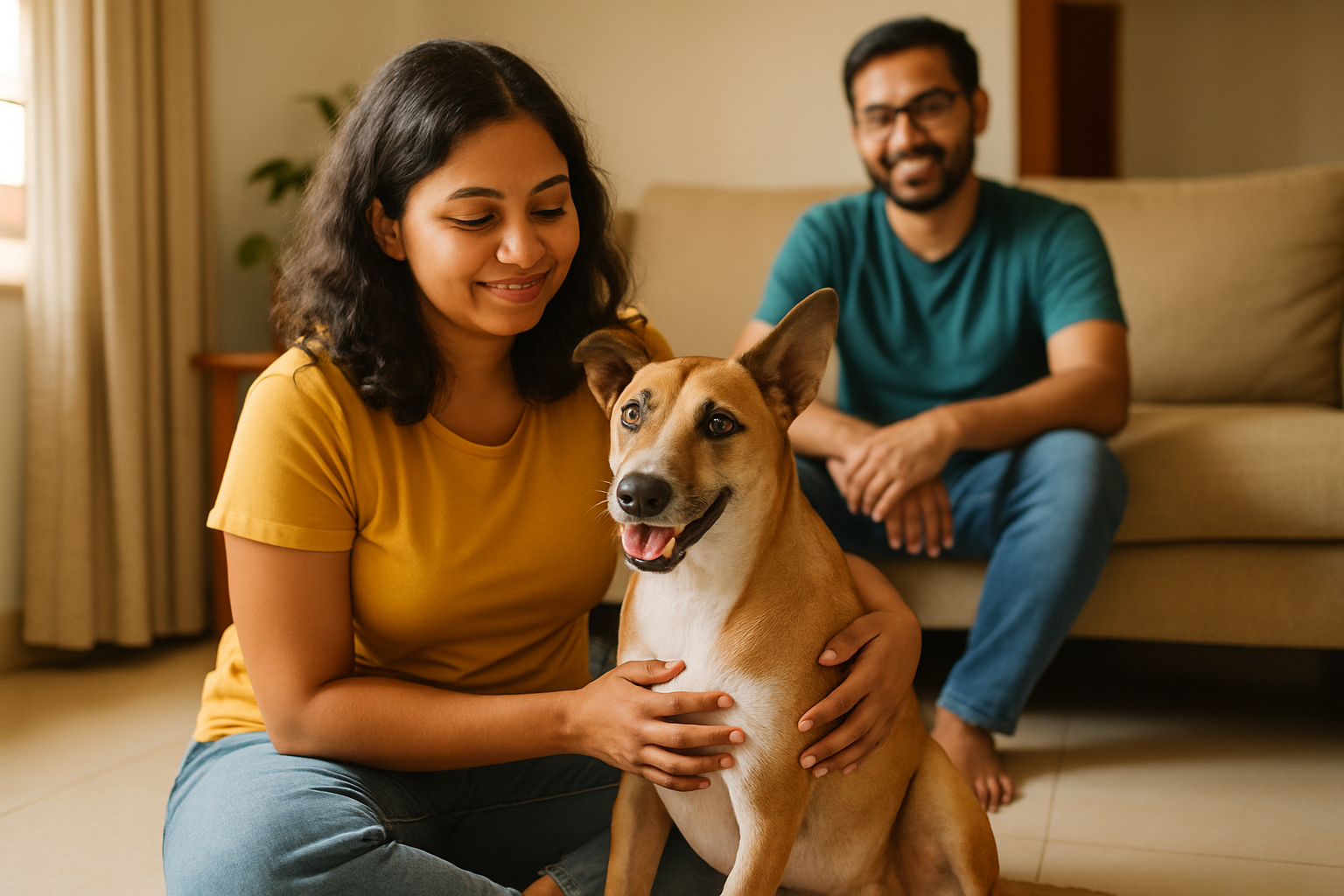
The risk isn't that the label is wrong. It's that new adopters read "low-maintenance" and quietly translate it to "low-effort." That gap between what the word implies and what an adopted dog actually needs is where most early struggles happen — not because Indies are difficult, but because expectations were set by a marketing shorthand, not a care plan.
What "Low-Maintenance" Actually Covers
Strip away the branding and the claim rests on three fairly narrow things:
- Coat and grooming: Indies have short, close coats that don't mat or need professional trims. One care guide puts it simply: "Grooming needs are minimal, as they have a trimmed coat," with monthly baths being enough to keep skin clean and tick-free.
- Genetic health: Because they haven't been bred for appearance, Indies largely avoid the structural and hereditary issues that plague many popular pedigree breeds.
- Climate tolerance: Having evolved in Indian conditions, they handle heat and humidity — Kolkata's default weather for most of the year — far better than flat-faced or heavy-coated imported breeds.
What That Claim Does Not Cover
- Behavioural adjustment
- Nutrition
- Medical history gaps
- The emotional resettling that comes with any rescue dog — Indie or otherwise
These are the categories where adopters, especially first-timers, tend to under-plan.
The Part Nobody Puts on the Adoption Poster: Settling In
A rescued or street-origin Indie doesn't arrive as a blank slate. Most adoption guidance — including from shelters and vet-nutrition brands — recommends a deliberate settling-in period rather than immediate full-house freedom. One widely cited approach: "Pick a quiet corner of the room and set it up for your pooch... a private space where they can feel safe as they settle in," paired with a full vet check in the first week, medical file in hand, covering vaccination status, sterilisation, and any past illnesses or trauma the shelter can share.
For Kolkata adopters specifically, this matters more than it might elsewhere, because most rescue routes here run through community-based NGOs rather than breeders or big shelters with standardised intake paperwork. Groups active in the city include Animal Rescue & Care (ARC), Love N Care for Animals, PAWS, and Chhaya, alongside larger networks like People For Animals. If you're going through one of these, ask directly for vaccination and deworming status, sterilisation confirmation, and diet notes from the shelter before you leave — most reputable ones will have this ready, but it's rarely handed over unprompted.
Diet: The Most Misunderstood Part of Indie Care
This is where the "low-maintenance" framing causes the most confusion. Several guides repeat that Indies have "highly evolved digestive systems" and can thrive on simple home meals — which is true in general terms, but gets misread as "feed them anything." A more careful breakdown of Indie nutrition makes the actual point: Indies are "prone to parasites, skin and coat issues, dental disease, and joint problems, requiring regular grooming and health monitoring," and one nutrition guide is blunt about the myth directly — being low-maintenance and resilient "doesn't mean that they can be healthy and thriving eating anything," since ultra-processed food with fillers can make an Indie just as sick as any foreign breed.
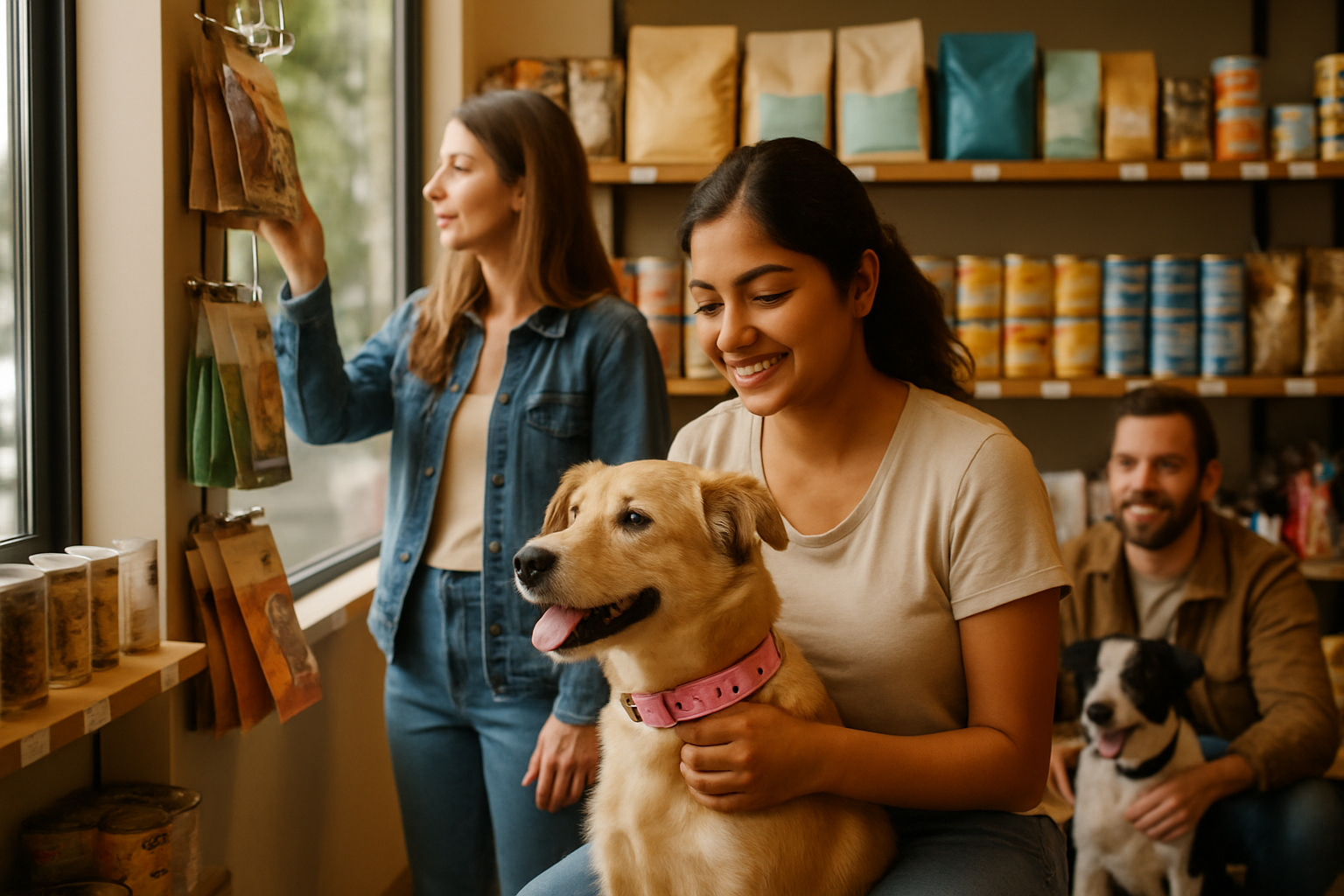
In practice, that means:
- Lean protein (chicken, fish, dal, eggs) as the base, not leftovers or plate scraps
- Low-starch, high-fibre carbohydrates to avoid weight gain that stresses joints already working overtime for a naturally active dog
- Fresh water and a consistent two-meal routine rather than free feeding
- Omega-3/fish oil support if skin or coat issues show up — common in rescued dogs who spent time outdoors
If your Indie came from the street rather than a shelter with records, budget for a longer nutritional adjustment. Digestive sensitivity is common in the first few weeks as the gut recalibrates from scavenged food to a stable diet.
Exercise and Mental Stimulation Aren't Optional
Indies are working dogs by temperament even without a job. Guidance across multiple sources converges on roughly 45 minutes to an hour of daily activity — walks, play, or basic training — not because they're high-energy in the hyperactive sense, but because under-stimulation shows up as anxiety, destructiveness, or excessive barking, especially in apartment settings common across South and Central Kolkata.
FAQ: Adopting and Caring for an Indie Dog in Kolkata
Is an Indie dog really easier to care for than a pedigree breed?
In terms of grooming and genetic health risk, yes — largely because of natural selection over thousands of years rather than selective breeding for appearance. But daily care, nutrition, and exercise needs are comparable to any active, medium-sized dog.
How soon after adoption should I take my Indie to the vet?
Within the first week, ideally with any medical file the shelter or rescuer can provide, covering vaccination, sterilisation, and deworming history so the vet can build on existing records rather than start from zero.
Can Indie dogs eat home-cooked food exclusively?
Simple home meals with lean protein, vegetables, and moderate carbohydrates can work well, but the food still needs to be nutritionally balanced and free of processed fillers — "digestible" doesn't mean "anything goes."
Do Indies need less exercise because they're low-maintenance?
No. Most care guidance recommends at least 45 minutes to an hour of daily activity regardless of the low grooming and health-risk profile.
Where can I adopt an Indie dog in Kolkata?
Community-based NGOs and rescue groups such as Animal Rescue & Care (ARC), Love N Care for Animals, PAWS, and Chhaya regularly have Indies available, alongside larger networks like People For Animals — most will share health and vaccination records if you ask before finalising the adoption.